
Galaxy Micro Light Technology
Smart hardware
Self-learning systems
GMLPi develops smart hardware and self-learning AI systems for intelligent wearables, solar and battery dispatch, and robot power distribution. We bring sensing, forecasting, and control into real-world applications.

Project portfolio
Featured projects
Collaborative R&D
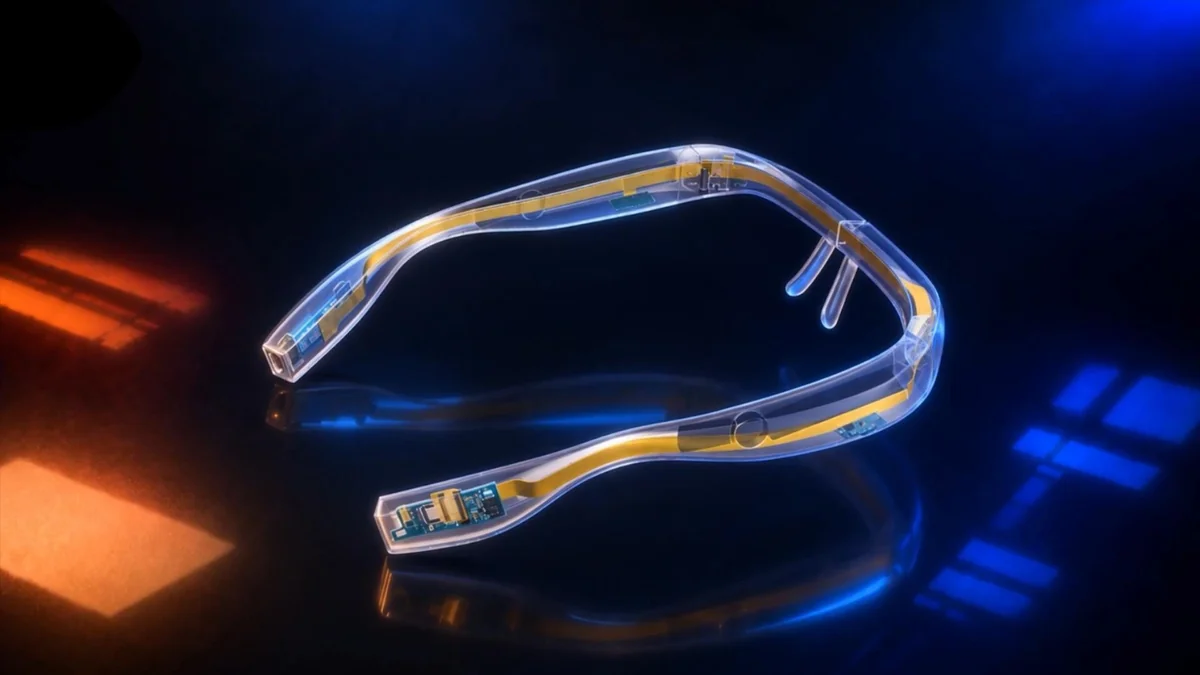
AI Assistive Glasses
Designed for people who are blind or have low vision, the project explores how wearable vision and voice interaction can provide everyday information about their surroundings.
- Scene description
- Hear descriptions of nearby objects and scenes.
- Object finding
- Name an object and receive direction and distance cues.
- Travel cues
- Evaluate how spoken route cues work alongside information about the immediate environment.
AI Energy Dispatch
AI Solar & Battery Dispatch
Forecast next-day solar generation and demand from weather forecasts and historical metering. Plan overnight grid charging around time-of-use rates and reserve requirements.
Day-ahead dispatch plan
Example data- Solar forecast
- 16.2 kWh
- AC grid charge
- 2.28 kWh
- Battery energy
- 1.94 kWh
Day-ahead power forecast
Grid charging window 03:45–05:30
1 h 45 min total- Solar forecast correction
- Compare historical forecasts with measured solar output to learn forecast bias under different conditions and improve the next-day estimate.
- Interval load forecasts
- Learn daily patterns from metered circuits and forecast demand at 15-minute intervals, with a range for likely variation.
- Cost-aware dispatch
- Calculate when and how much to charge based on time-of-use rates, charging efficiency, battery wear, and reserve needs.
Robot Power Hub
Coming soonRobot Power Hub
For mobile robots and ROS 2 development platforms, the hub integrates battery input protection, separate power domains, and power monitoring.
- Separate power domains
- Give motors, compute units, and sensors dedicated power paths.
- Power monitoring
- Monitor voltage, current, and temperature, and consolidate power fault information.
- System integration
- Provide power status and fault information to ROS 2 over a CAN interface.
Robot power architecture
Architecture overviewBattery input
- Motor domainMotor loads
- Compute domainCompute units
- Sensor domainSensors
Products & Solutions
Products & solutions
Browse testing, power, connectivity, motion, and data systems.
Test & Quality Inspection
Efficiency testing, performance measurement, anomaly detection, and traceability for production lines and labs.
Power & DC UPS
Standard power modules and backup power for industrial control, low-voltage systems, communications, and equipment.
Connectivity & Data Acquisition
Connect instruments, fixtures, and field equipment to networks and data systems.
Motor & Drive Modules
Reusable drive and control modules for compact actuators and automation equipment.
Lightweight Data Systems
Local dashboards, logging, and exports for test and data acquisition equipment.
Contact
Discuss your application
Talk with us about product selection, prototyping, or system integration, or submit an inquiry online.